Breathe Freely: All the Hidden Advantages of Window Treatment Maintenance
In terms of upkeeping a clean home setting, many of us concentrate on the more visible surfaces like floors and furniture, commonly disregarding an essential element: our window treatments. Soiled curtains can quietly gather dust and stains, becoming a site for various allergens and pollutants. These fabrics can harbor dust mites, pet dander, dead skin cells, and even mold and mildew, all of which can jeopardize indoor air quality and exacerbate respiratory problems like asthma.
Frequent curtain cleaning not just boost the visual appeal of your home but additionally significantly enhances hygiene. By eliminating dust, fungi, and other unhealthy particles, you can foster a fresher living space. Grasping the best curtain cleaning methods and utilizing a comprehensive cleaning guide can assist you successfully address these hidden issues, ensuring that every corner of your home adds to better air quality and well-being. Relax as we explore the often-overlooked benefits of curtain cleaning and how it can lead to a better indoor atmosphere.
Grasping the Effect of Soiled Drapes
Dirty curtains can significantly impact interior atmospheric standards, acting as a magnet for dirt, irritants, and other noxious particles. With time, dirt and stains accumulate on the fabric, forming an environment where mites thrive. Such tiny creatures add to respiratory concerns, notably for individuals dealing from asthmatic conditions or additional allergies. As drapes suspend in our living spaces, they continuously accumulate dead skin cells, pet dander, and multiple pollutants, which can be released into the air when disturbed.
In also to mites, grimy drapes can harbor fungi and mildew, especially in damp environments. Mold and fungi growth not just compromises the sanitation of your home but also create serious health risks. Breathing in spores from such organisms can result in respiratory problems and exacerbate asthma symptoms. The presence of such pollutants emphasizes the importance of keeping clean drapes to provide a healthier home environment for you and your household.
Regular drape maintenance is an essential part of any thorough indoor cleaning routine. By employing the best drape cleaning techniques, you can efficiently remove dirt, allergens, and various substances that contribute to poor air quality. With a little work, you can greatly enhance the environment of your home, providing cleaner air and lessening the risk of breathing problems associated with grimy curtains.
Wellness Concerns Associated with Dirt and Allergens
Dust and irritants are frequently overlooked contributors to subpar indoor air quality. Soiled curtains accumulate dust, stains, and other particulates as time goes by, resulting in an environment where these allergens can thrive. It is not uncommon for curtains to harbor dust mites, pet dander, dead skin cells, and possibly mold and mildew. When these particles become airborne, they can exacerbate respiratory problems and contribute to overall indoor hygiene issues.
For individuals with asthma or various respiratory conditions, contact to irritants can trigger severe health risks. Dust mites and mold spores are common culprits that can provoke symptoms such as wheezing, coughing, and shortness of breath. Additionally, the presence of fungi within dirty curtains can lead to chronic allergic reactions, which may in turn compromise one's respiratory health. Consequently, maintaining tidy curtains is essential for reducing these risks and ensuring a safer living environment.
Enhancing the hygiene of your home involves more than just vacuuming and dusting. Regular washing and a thorough curtain cleaning method can significantly enhance air quality by removing accumulated dust and irritants. Utilizing the most effective curtain cleaning technique not only refreshes the look of your curtains but also safeguards your health by reducing the triggers linked with respiratory ailments. Investing in proper curtain cleaning is a critical step toward creating a safer and more pleasant indoor atmosphere.
The Science of Curtain Cleaning: Techniques and Benefits
Regular curtain cleaning plays a key role in maintaining a healthy indoor environment. Curtains can accumulate dust, dirt, and different allergens over time, such as pet dander, dead skin cells, and even fungi or mold. These impurities not only take away from the aesthetic appeal of your home but can also affect air quality and lead to respiratory problems. Understanding the most effective curtain cleaning methods can help you successfully remove these unwanted particles and create a cleaner atmosphere.
There are several methods for cleaning curtains, and each presents unique advantages. Using a washing machine is often beneficial for fabric curtains that are able to be washed and not too fragile. For those who have allergies towards allergens, dry cleaning can be a good option, as it works to eliminate dust mites and other irritants without the use of water. Steam cleaning is another advantageous method, as the heat can kill mold spores and allergens, making it a top choice curtain cleaning methods for guaranteeing hygiene while also refreshing the fabric.
The advantages of a comprehensive curtain cleaning go beyond aesthetics. Enhanced indoor air quality is a significant advantage, as clean curtains help filter out pollutants and allergens in the air, reducing the risk of asthma attacks and other respiratory issues. By adding regular curtain maintenance into your cleaning routine, you are supporting the overall health and comfort of your living space, ultimately promoting better hygiene and a more pleasant environment for you and your family.
Enhancing Interior Atmospheric Standards through Regular Upkeep
Frequent window treatment maintenance is crucial for ensuring good interior atmospheric quality. Over time, curtains gather dust, stains, animal hair, and dead epidermal flakes, which can turn into a nest for allergens and allergy triggers. This accumulation of particles not only diminishes the cleanliness of your living space but can also contribute to breathing problems, particularly for those with asthma or other sensitivities. Eliminating debris and contaminants through a consistent cleaning routine, you foster a cleaner environment for all in your residence.
The presence of fungus and mildew on dirty curtains can further worsen indoor air quality issues. These fungi prosper in humid conditions, and once they embed into your curtains, they can emit particulate matter into the air, potentially causing to respiratory distress and additional health complications. Implementing effective curtain cleaning methods can assist eliminate these detrimental substances, substantially lowering the chances of fungal growth and maintaining clean air flow throughout your environment.
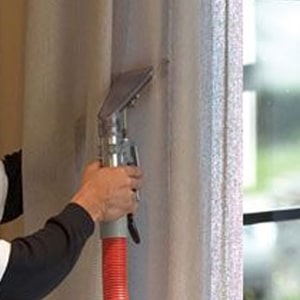
Selecting the best curtain maintenance method not only rejuvenates the look of your curtains but also enhances overall hygiene and atmospheric quality. Whether you opt for professional cleaning or utilize a DIY guide, making sure that your curtains are washed on a routine basis will diminish the occurrence of allergens and triggers. In turn, this preventive approach helps create a safer indoor environment, ultimately leading to improved breathing health for you and your loved ones.
An Comprehensive Manual to Efficient Curtain Cleaning
To efficiently wash your curtains, start by determining the most suitable drape care approach best for the fabric type. Different materials have distinct care specifications; for example, delicate fabrics may need dry cleaning, while machine-washable curtains can be cleaned at your house. Be sure to check the care label before moving forward. Remove any dirt and stains by gently shaking out the curtains or using a vacuum with a gentle brush attachment to eliminate dust mites, allergy triggers, and skin particles.
Maintaining drapes is not just about maintaining aesthetics; it also plays a vital role in enhancing air quality indoors. Incorporating routine cleaning into your hygiene routine can greatly reduce the presence of mold, mildew, and animal hair, which are common triggers for respiratory issues and various breathing conditions. When washing curtains, use a soft detergent that gently removes dirt without harmful to the material. For extra freshness, you might want to using a safe for fabrics disinfectant and ensure thorough rinsing to remove any leftovers.
After washing, put back up the drapes while they are still slightly moist to minimize wrinkles and help them retain their shape. Routine maintenance is essential to keeping your curtains appearing and scented fresh. Following this curtain cleaning manual, you can enjoy better air quality in your home, leading to a healthier living environment by reducing the amount of allergens and toxic pollutants.